Chat with us, powered by LiveChat

Category: Uncategorized

what-is-m12-cable

What Is M12 Cable?

M12 cable is one of the most commonly manufactured cable assembly types here at Technical Cable Applications. However, if you don’t have manufacturing or automation experience, you likely have never used one or seen one since they aren’t commonly used by consumers.

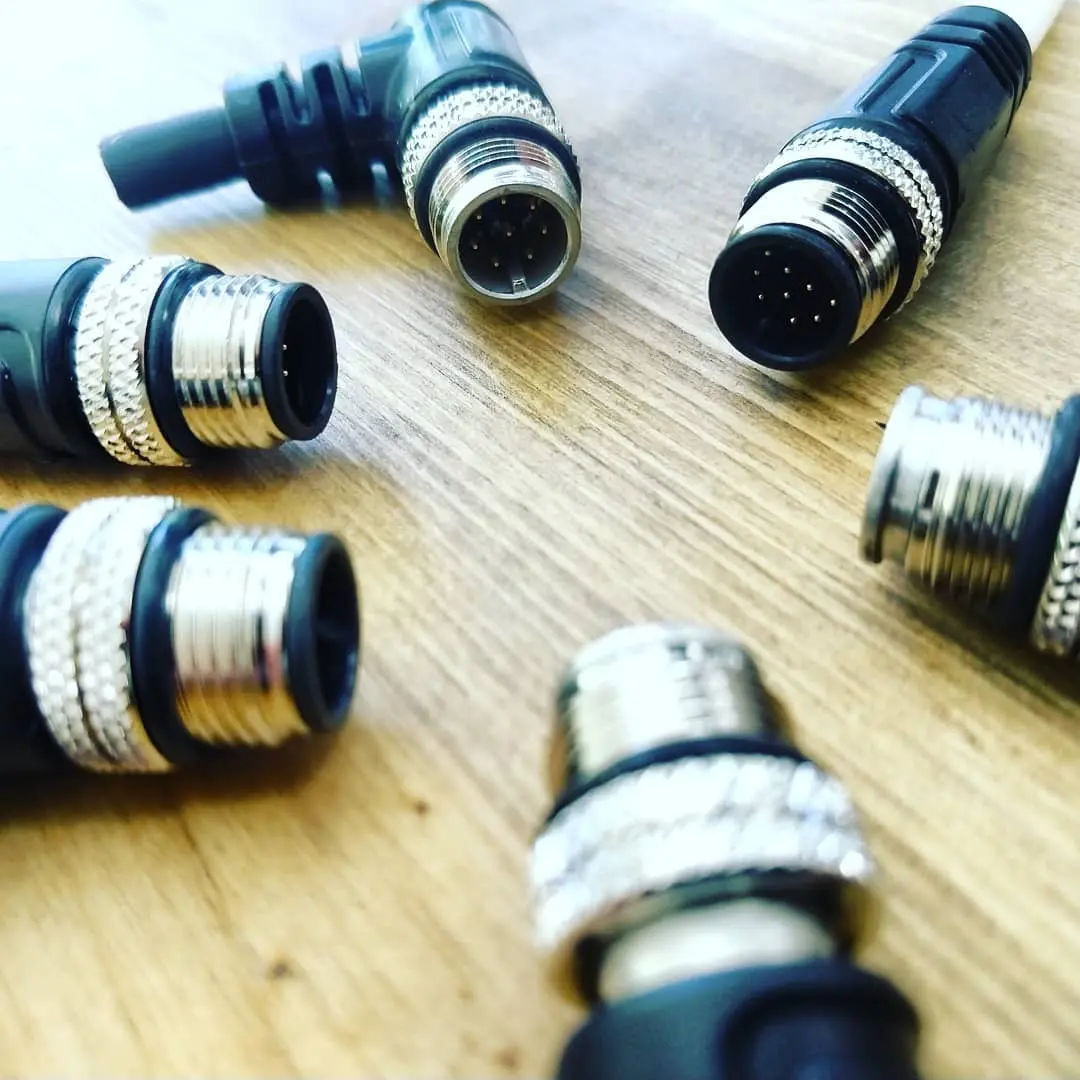
An M12 cable is a type of industrial Ethernet cable that uses a circular M12 connector. These connectors are designed to create a secure and sealed connection between devices, especially in environments where standard cables may not hold up.

The “M12” refers to the connector size and threading, and there are additional M-type connector types starting with M5 up through the aforementioned M12. What makes these cables stand out is their ability to maintain strong, reliable connections even in harsh conditions while still supporting high-speed data transfer.

Versatile M12 Circular Connectors

M12 cables are used across a wide range of industries where automation, movement, and environmental exposure are common.

You’ll typically find them in:

  • Robotics and automation systems
  • Warehouse automation setups
  • Machine vision systems
  • Aerospace and automotive applications
  • Medical devices
  • Agriculture and manufacturing equipment
  • Marine and utility environments

These are all areas where dependable data transfer is essential and equipment is often exposed to movement, vibration, or challenging conditions.

M12 Connector Uses and Applications

Industrial Ethernet plays a major role in modern automation. M12 cables are part of that ecosystem, helping devices communicate reliably across systems.

They are commonly used to connect sensors, machines, and control systems. Because of their rugged design, they help ensure that data transmission continues without interruption, even when equipment is constantly in motion.

Some assemblies are also designed for high flex cycle use, making them suitable for robotics and other applications where cables bend repeatedly.

One of the biggest advantages of M12 cables is how easily they can be customized for specific applications. As long as we have all the drawings, specifications, and materials, we can produce assemblies with:

  • Custom pinouts
  • Connector orientation adjustments
  • Integration with other connector types like M8 or RJ45
  • Custom configurations and layouts
  • And much more!

Our Manufacturing Benefits

M12 cables can be built using different methods, including assembled connectors or over-molded designs. Over-molding involves encasing the connector and cable in a protective material, creating a more durable and sealed connection.

We are able to use specialized mold dies to produce over-molded M12 cables in-house. This approach allows for both standard production and highly customized cable builds. We also offer nearshore manufacturing in partnership with two facilities in Guadalajara, which allows us to avoid reliance on connectors and materials from overseas in many cases. 
Lead Time for Prototype Cable Assemblies

Lead Time for Prototype Cable Assemblies

Getting new custom cable assemblies manufactured is already a multi step, in-depth process, even for existing cable configurations that are tried and true. Assembly production delays can happen due to unforeseen external circumstances, such as material shortages, global politics, or shipping problems. As such, adding in complications with prototyping, testing, and making adjustments to the cable assembly before final production comes with significant risk of additional delays, complex problems to solve, and multiple rounds of testing before the final version is ready. As such, working with a manufacturer who is highly flexible, offers low MOQs (minimum order quantity), and can help solve problems as they arise is extremely important, so you can avoid budget bloat and get through snags or delays as rapidly as possible.

Reduce Lead Times with Nearshore Manufacturing and Assembly Production

We offer nearshore manufacturing with two partner facilities in Guadalajara, which enable us to provide lower MOQs and reduce lead times on prototype cable assemblies and wire harnesses, compared to many of our competitors. Now that we are able to offer nearshore options for many cable assembly types that were previously reliant on, or had to be entirely manufactured by overseas companies, our prototyping lead time is faster than ever. We can also minimize or fully avoid non-manufacturing delays associated with freighter shipping in many cases, since our direct partnership and close proximity to our partner facilities means the cables can be shipped directly via ground or air, rather than slowly coming over by boat. 

Additional Best Practices for Improving Cable Assembly Lead Times

Whether you are working with us or with another cable assembly manufacturer for your prototyping needs, there are many ways to avoid unnecessary delays and problems with good planning and management. Some of the best practices we recommend for anyone tasked with bringing a prototype cable assembly to full production include:

  • Avoid unnecessary complexity in your initial drawing
    – Every additional connector or nice-to-have feature adds details that must be developed, tested, and certified before the final cable can be produced. If keeping lead times down is a priority, simplification is the best way to avoid delays before they start.

  • Create detailed documentation and specifications wherever possible
    – Your cable drawing and materials list should be as detailed as possible, to avoid confusion and incorrect assumptions that could result in additional delays.

  • Choose materials that are the most likely to be readily available over boutique or unusual ones
    – In many cases, assemblies do not need the most cutting edge, specialized materials to accomplish their intended purpose. Avoid choosing materials that can only be produced by one source, or are subject to frequent shortages wherever possible to ensure faster prototyping. This will also likely lead to easier manufacturing later on of the final product, for years to come.

  • Minimize the number of different vendors working on the same assembly
    – You may need to work with more than one manufacturer to get your final prototype assembly ready, but it’s generally best to avoid adding more vendors that touch the assembly. If your main manufacturer is able to handle all or most steps of your prototyping in-house, that will be your best bet if your goal is to keep lead times short.

  • Check if vendors have certifications that will take care of your testing and compliance requirements
    – We are ISO 9001:2015 certified and UL certified for cable assembly, which helps us cover many of our clients’ requirements by default. If you have a specific certification your assembly needs to meet, it’s best to choose a vendor who already has that capability so you don’t have to get it prototyped, then inspected, and prototyped again. 

Contact Us About Your Prototype Cable Assembly

Ready to get started? Send your cable drawing and specifications to us at [email protected], or use the contact form here on our site!

Off-The-Shelf Cable Assemblies

Off-The-Shelf (OTS) cable assemblies are already made cable assemblies and wiring harnesses for a variety of standard applications.  There are tremendous advantages to purchasing off the shelf product.  Most notably are lower cost and immediate delivery.  Technical Cable Applications is best known for the custom cable assemblies and wiring harnesses produced in our Auburn, Washington facility.   TCA also offers a huge variety of Off-The Shelf cable assemblies that are in stock in warehouses throughout the country.

Read More