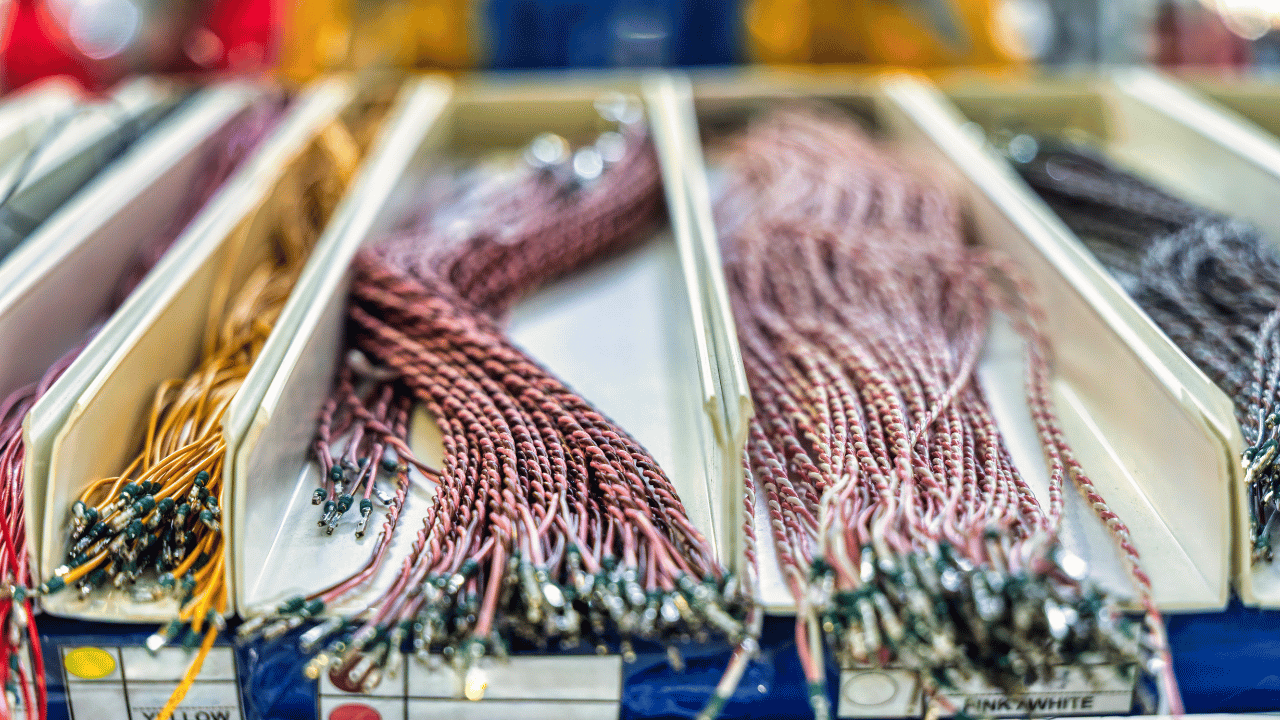
Getting new custom cable assemblies manufactured is already a multi step, in-depth process, even for existing cable configurations that are tried and true. Assembly production delays can happen due to unforeseen external circumstances, such as material shortages, global politics, or shipping problems. As such, adding in complications with prototyping, testing, and making adjustments to the cable assembly before final production comes with significant risk of additional delays, complex problems to solve, and multiple rounds of testing before the final version is ready. As such, working with a manufacturer who is highly flexible, offers low MOQs (minimum order quantity), and can help solve problems as they arise is extremely important, so you can avoid budget bloat and get through snags or delays as rapidly as possible.
Reduce Lead Times with Nearshore Manufacturing and Assembly Production
We offer nearshore manufacturing with two partner facilities in Guadalajara, which enable us to provide lower MOQs and reduce lead times on prototype cable assemblies and wire harnesses, compared to many of our competitors. Now that we are able to offer nearshore options for many cable assembly types that were previously reliant on, or had to be entirely manufactured by overseas companies, our prototyping lead time is faster than ever. We can also minimize or fully avoid non-manufacturing delays associated with freighter shipping in many cases, since our direct partnership and close proximity to our partner facilities means the cables can be shipped directly via ground or air, rather than slowly coming over by boat.
Additional Best Practices for Improving Cable Assembly Lead Times
Whether you are working with us or with another cable assembly manufacturer for your prototyping needs, there are many ways to avoid unnecessary delays and problems with good planning and management. Some of the best practices we recommend for anyone tasked with bringing a prototype cable assembly to full production include:
- Avoid unnecessary complexity in your initial drawing
– Every additional connector or nice-to-have feature adds details that must be developed, tested, and certified before the final cable can be produced. If keeping lead times down is a priority, simplification is the best way to avoid delays before they start. - Create detailed documentation and specifications wherever possible
– Your cable drawing and materials list should be as detailed as possible, to avoid confusion and incorrect assumptions that could result in additional delays. - Choose materials that are the most likely to be readily available over boutique or unusual ones
– In many cases, assemblies do not need the most cutting edge, specialized materials to accomplish their intended purpose. Avoid choosing materials that can only be produced by one source, or are subject to frequent shortages wherever possible to ensure faster prototyping. This will also likely lead to easier manufacturing later on of the final product, for years to come. - Minimize the number of different vendors working on the same assembly
– You may need to work with more than one manufacturer to get your final prototype assembly ready, but it’s generally best to avoid adding more vendors that touch the assembly. If your main manufacturer is able to handle all or most steps of your prototyping in-house, that will be your best bet if your goal is to keep lead times short. - Check if vendors have certifications that will take care of your testing and compliance requirements
– We are ISO 9001:2015 certified and UL certified for cable assembly, which helps us cover many of our clients’ requirements by default. If you have a specific certification your assembly needs to meet, it’s best to choose a vendor who already has that capability so you don’t have to get it prototyped, then inspected, and prototyped again.
Contact Us About Your Prototype Cable Assembly
Ready to get started? Send your cable drawing and specifications to us at [email protected], or use the contact form here on our site!